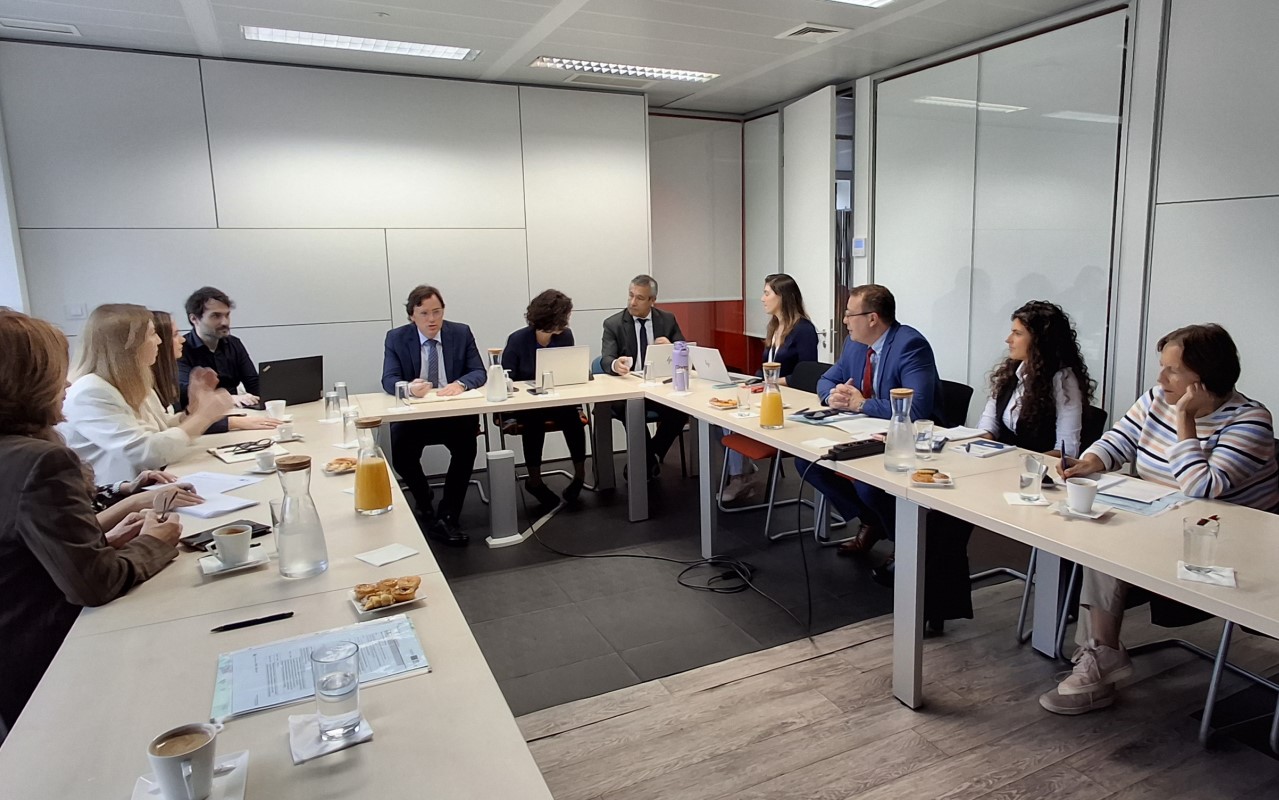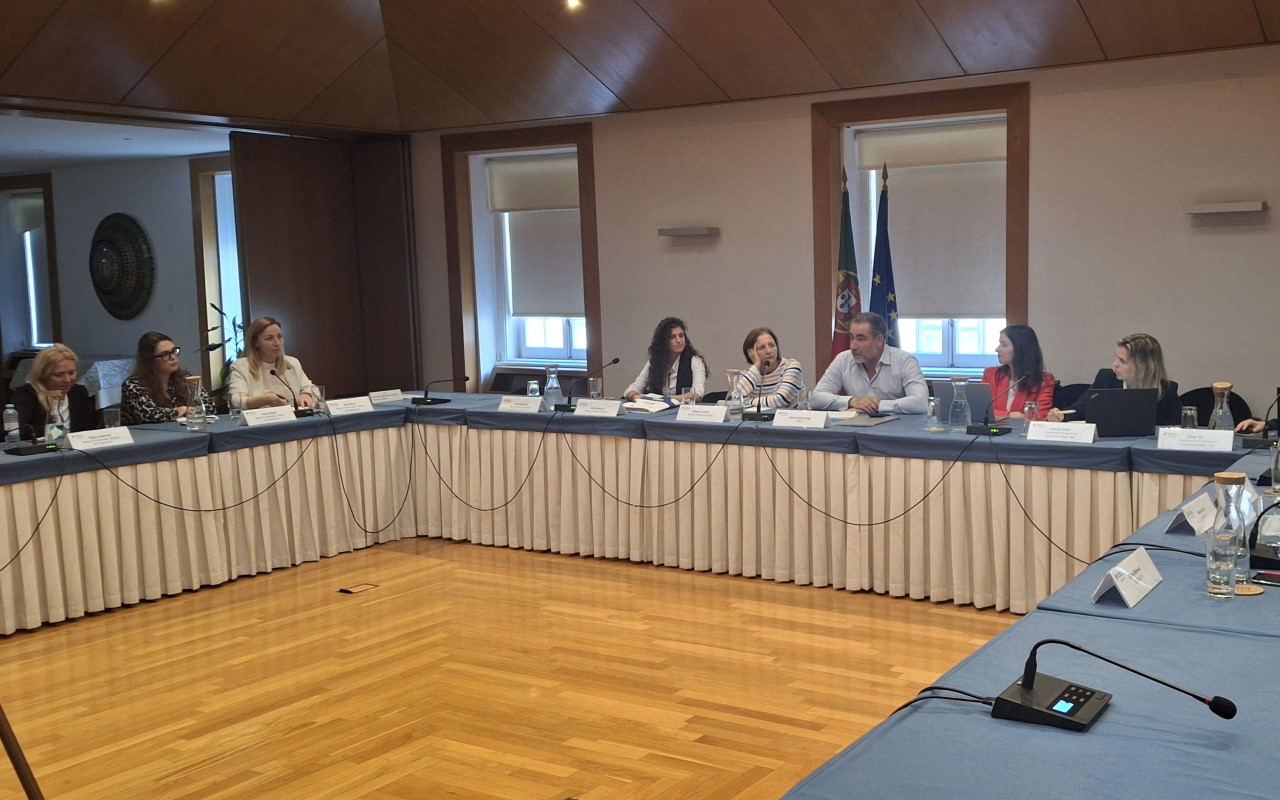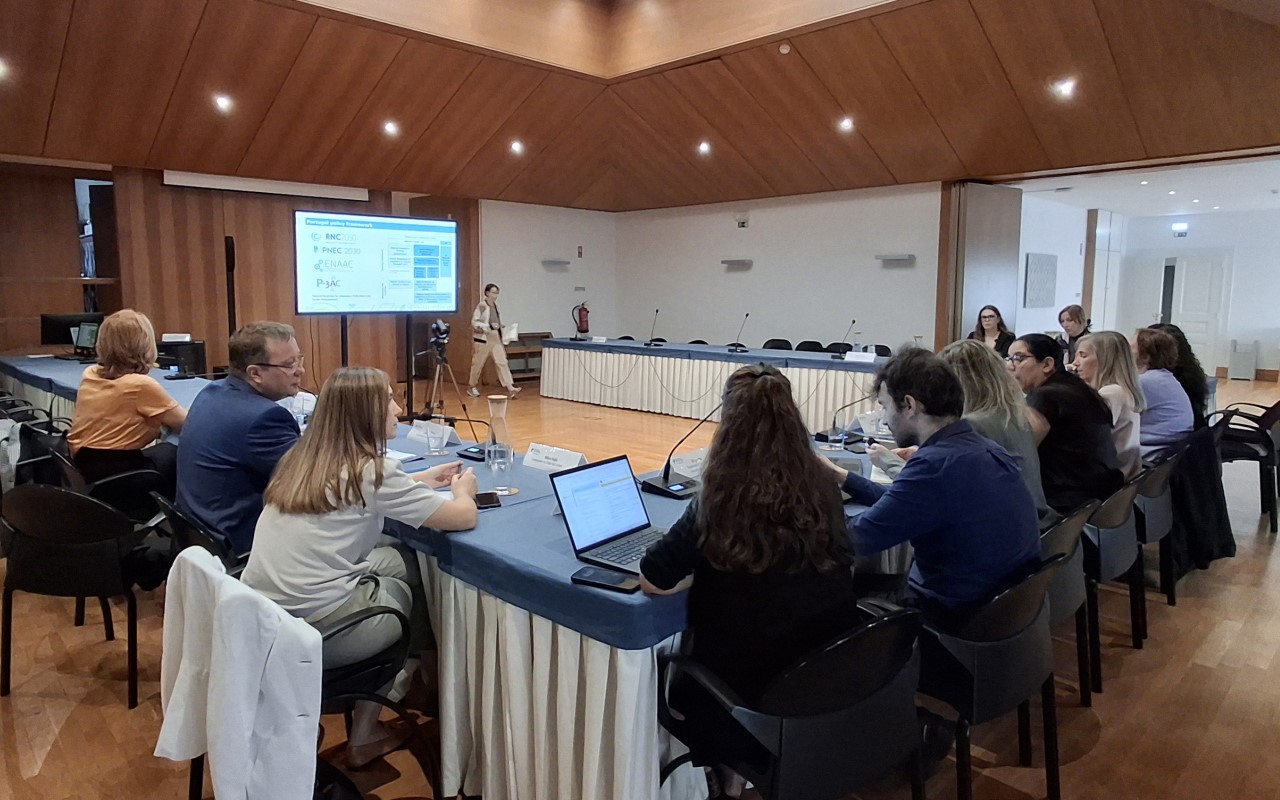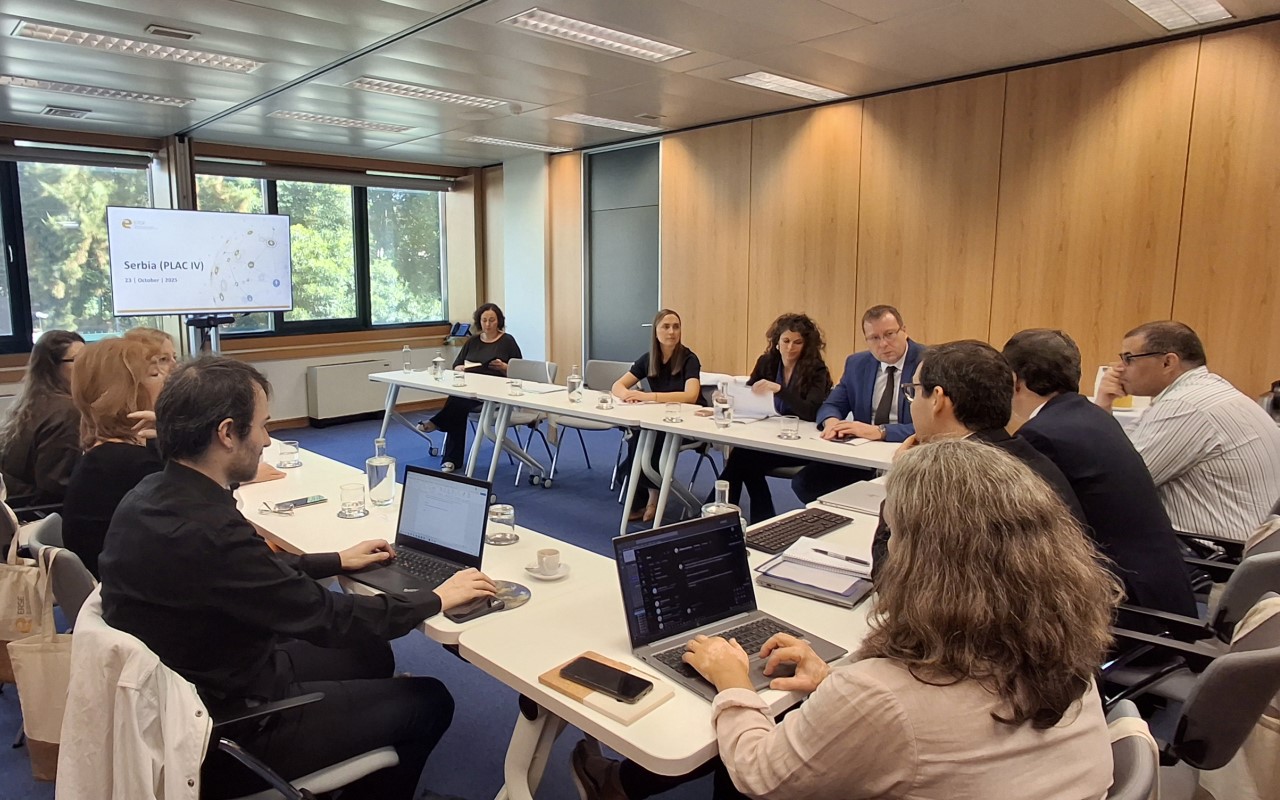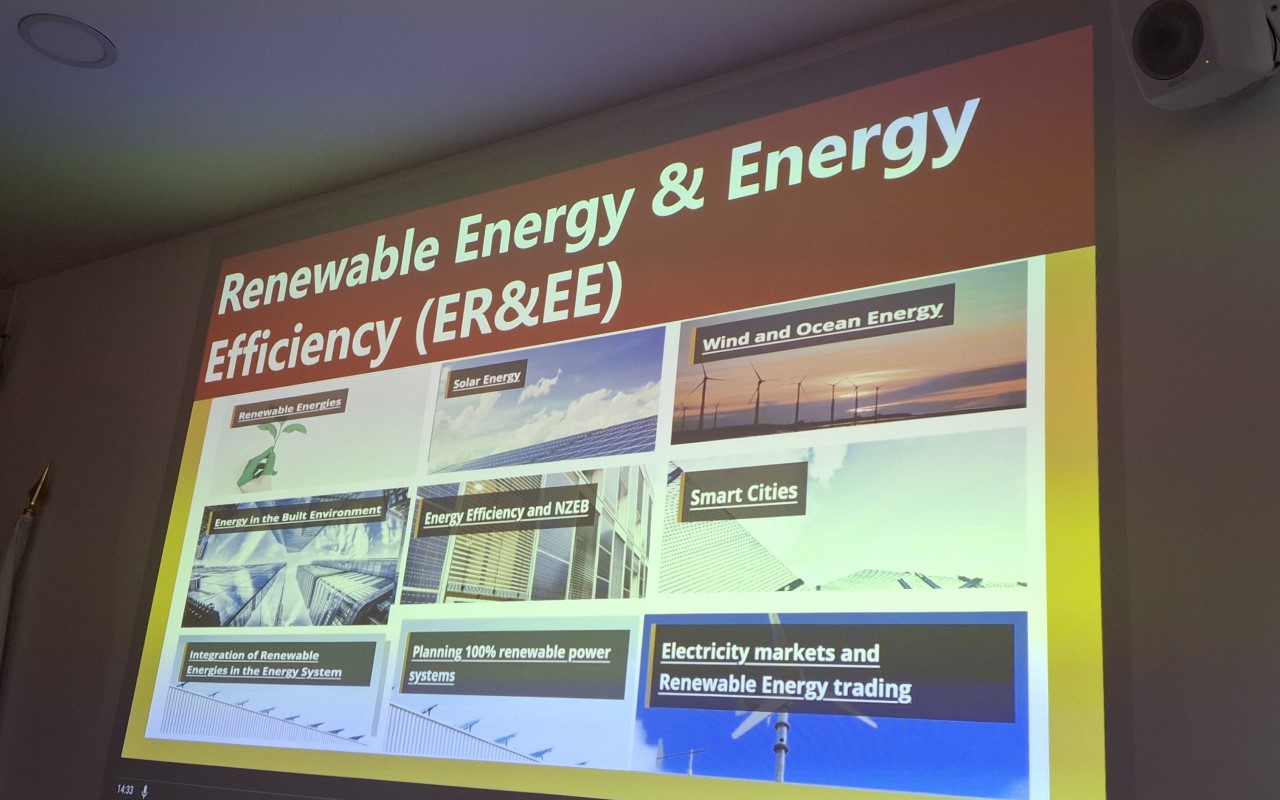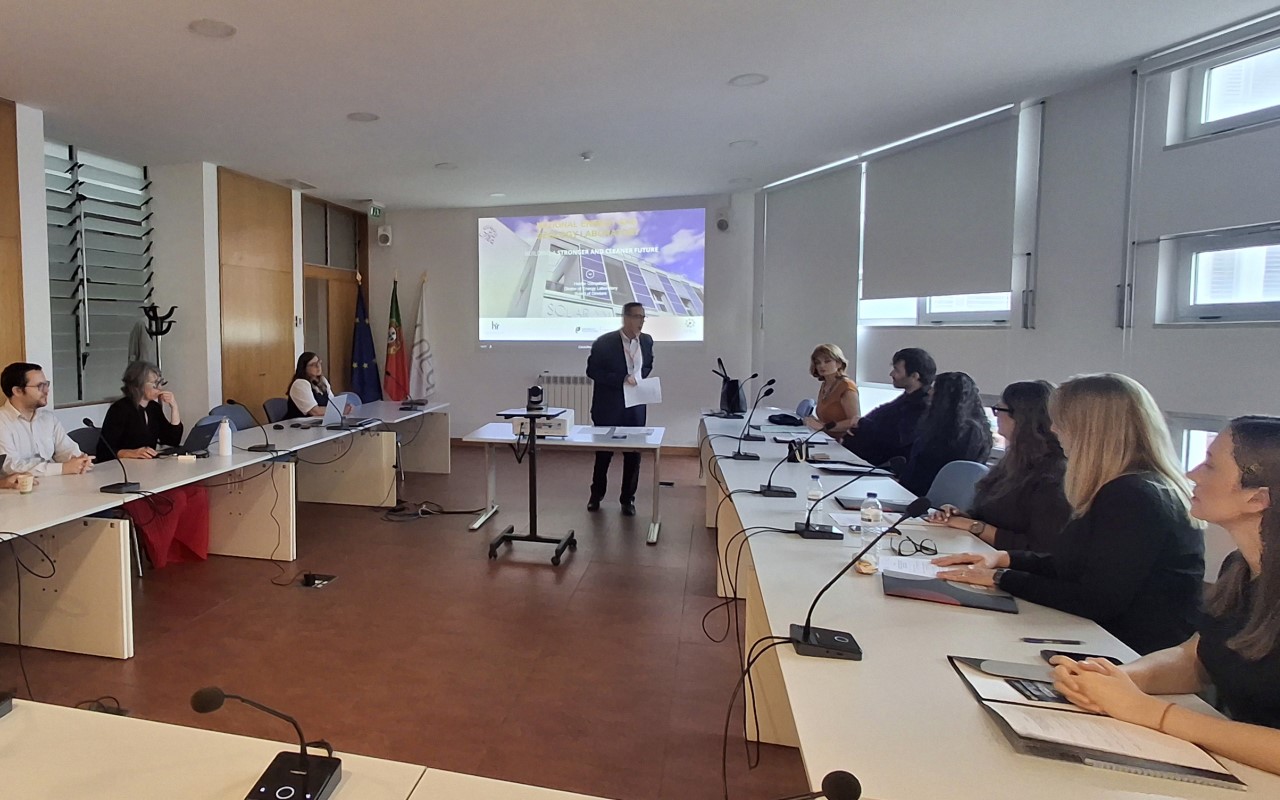
As part of the “Policy and Legal Advice Centre” (PLAC IV) project, a study visit to Portuguese institutions was organized from 20 to 24 October 2025, focusing on the implementation of measures to improve the energy efficiency of buildings and the use of renewable energy sources. The visit was arranged at the suggestion of beneficiary institutions under Negotiating Chapter 15 – Energy, with a view to supporting the comprehensive reforms that await Serbia in the energy sector. This study visit enabled representatives of the Ministry of Mining and Energy, the Ministry of Construction, Transport and Infrastructure, and the State Aid Control Commission to learn first-hand from the practices of one of the EU’s most successful countries in this field.
Portugal is today one of Europe’s leaders in integrating renewable energy sources into its energy system and in implementing EU rules in this area. Illustrative here are the latest indicators from the Portuguese Renewable Energy Association (APREN), according to which, as of the end of September 2025, as much as 76% of electricity generation came from renewable sources—placing the country among the very top performers in Europe. Precisely thanks to such results, Portugal represents a valuable example for Serbia in its EU accession process and in meeting the obligations arising under Negotiating Chapter 15 – Energy.
Exchange of knowledge and good practices
During the four-day study visit, Serbian officials visited leading institutions that shape Portugal’s energy policy—ranging from the Ministry of Environment and Energy, regulatory bodies and research institutes to agencies and associations which implement concrete energy-transition measures. Their hosts during the visit were:
- ADENE – National Energy Agency, which manages the building energy performance certification system, promotes energy literacy, and supports the implementation of energy efficiency measures;
- APREN – Portuguese Renewable Energy Association, which brings together companies from the wind, solar, hydro, geothermal and biomass sectors;
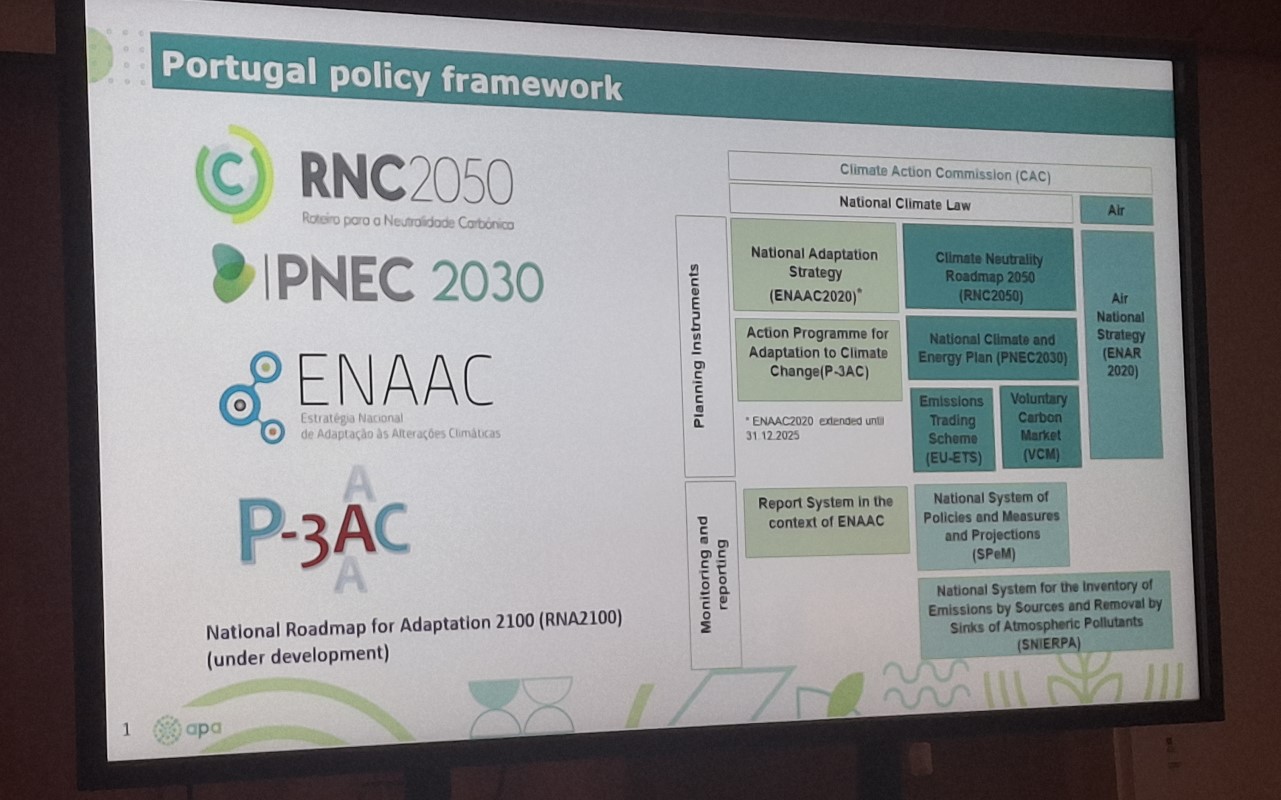
- Climate Agency (ApC) – a newly established body of the Ministry of Environment and Energy responsible for implementing climate policies and coordinating national plans for climate neutrality. Since the beginning of 2025, the Agency has disbursed EUR 49.4 million to support projects on decarbonisation, energy efficiency and sustainable mobility;
- ERSE – Energy Services Regulatory Authority, an independent body which supervises the electricity, gas, fuel and biofuel markets;
- LNEG – National Laboratory for Energy and Geology, a research institute where a visit was made to the demonstration facility “SOLAR XXI,” an example of a nearly zero-energy building (nZEB).
Through visits to each of these institutions, Serbian officials had the opportunity—first-hand and in discussions with their Portuguese counterparts—to become acquainted with European practices and models that contribute to improving the energy efficiency of buildings, integrating renewable energy sources, sustainable use of energy, and implementing State aid measures for the needs of the “Green Transition.”
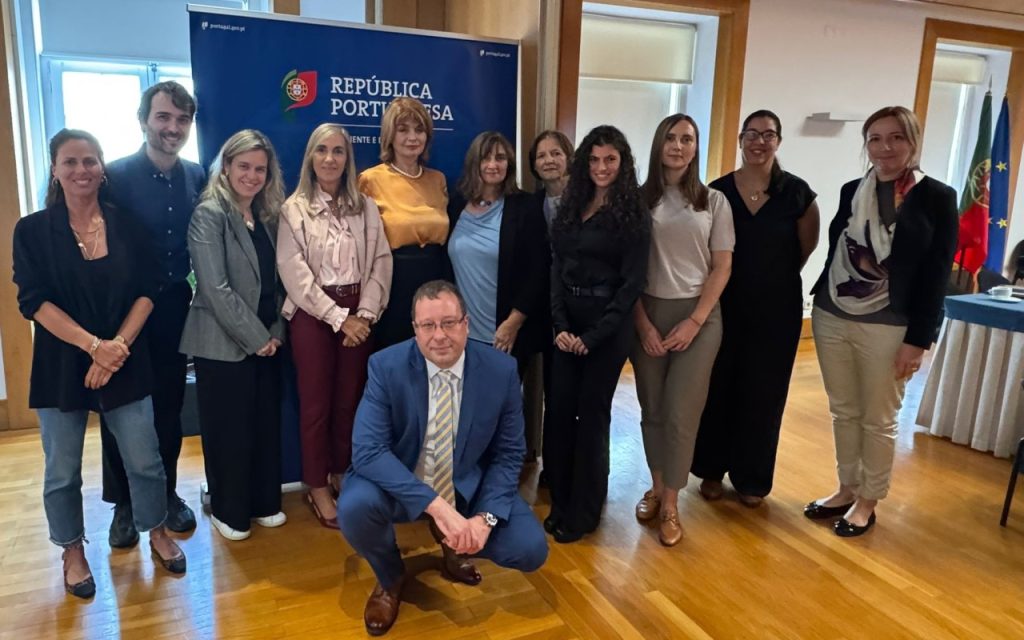
“A valuable insight into an EU Member State’s experience”
For representatives of the Ministry of Construction, Transport and Infrastructure, the visit was an opportunity to gain a better understanding of the legislation, technical regulations, and practice in the field of building energy efficiency.
For representatives of the Ministry of Mining and Energy, it was particularly useful to learn how Portugal, through integrated policies, links energy efficiency measures with the use of renewable energy sources and climate objectives—something that can serve as a model for drafting Serbia’s National Energy and Climate Plan (NECP). “The study visit to Portugal realised under the PLAC IV project provided valuable insights into the experience of an EU Member State that has achieved visible results in the energy transition. Contacts with institutions operating in the fields of energy efficiency, renewable energy sources, and climate policy proved especially useful, as they offer a model and inspiration for strengthening institutional capacities and strategic planning in the Republic of Serbia,” representatives of this Ministry stated.
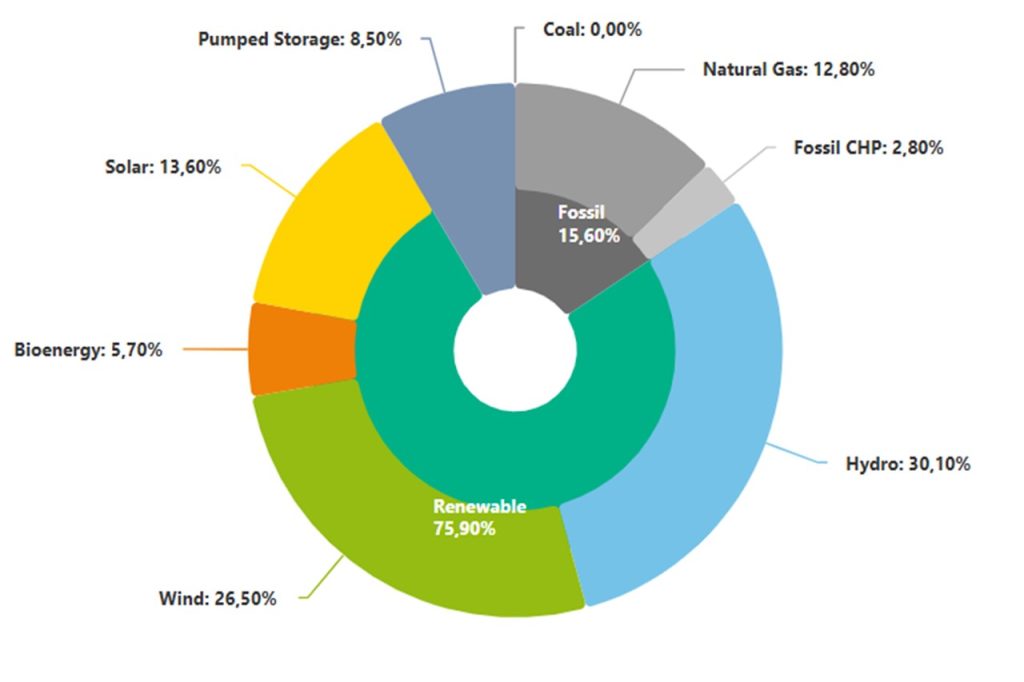
Electricity Generation by Energy Sources in Mainland Portugal (Between January 1 and September 30 of 2025)
Source: APREN
Study visits such as this are another means by which the European Union—through financing of projects like PLAC IV—provides technical and expert support to Serbian institutions in the process of harmonising legislation and policies with the EU acquis. By way of this study visit to an EU Member State, Serbian civil servants have the opportunity to exchange experience, learn about innovative approaches, and strengthen their capacities to implement the energy transition in line with European standards.
Photo gallery