Guidelines for Conducting Sectoral Analysis in the Field of State Aid
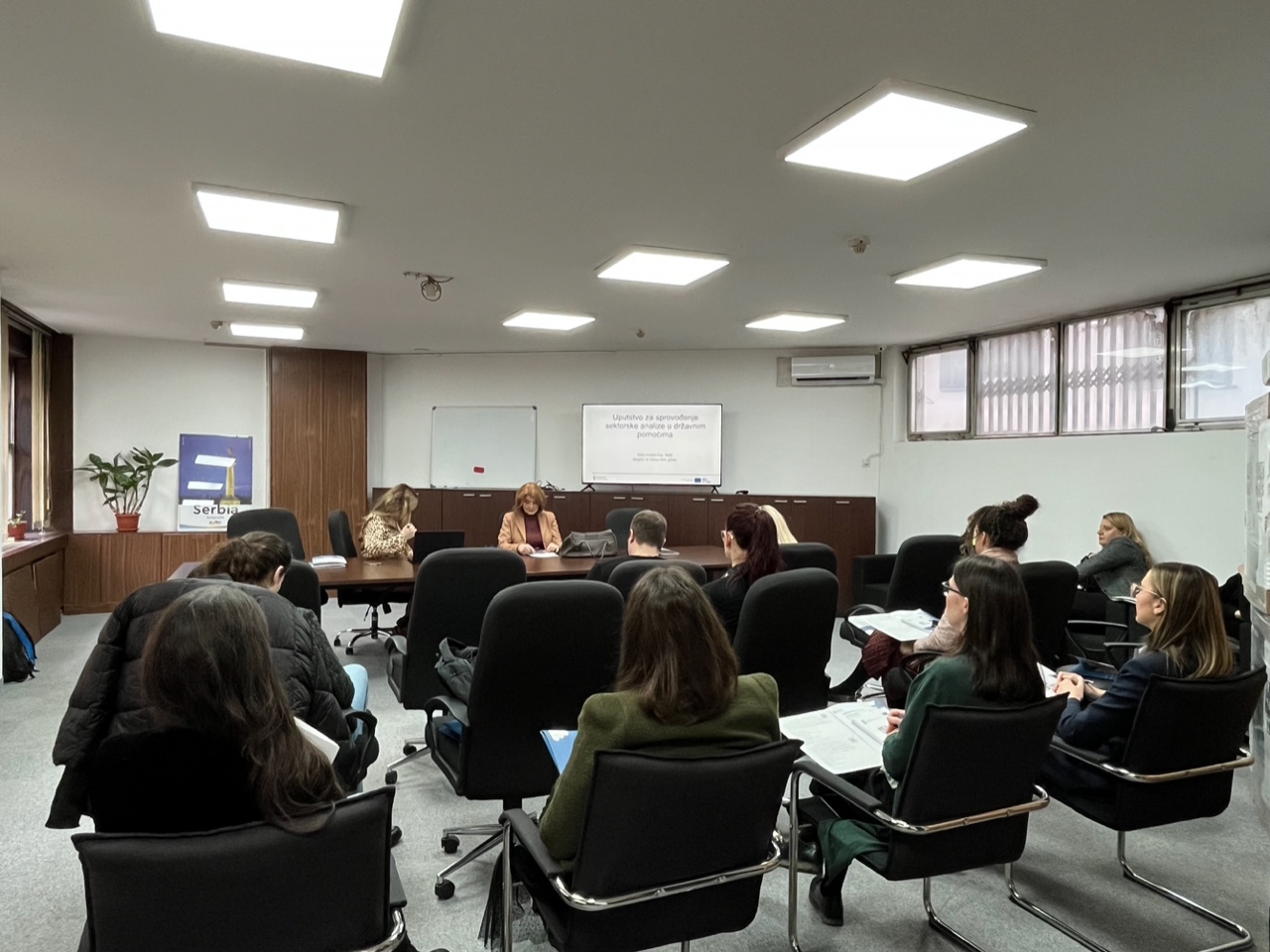
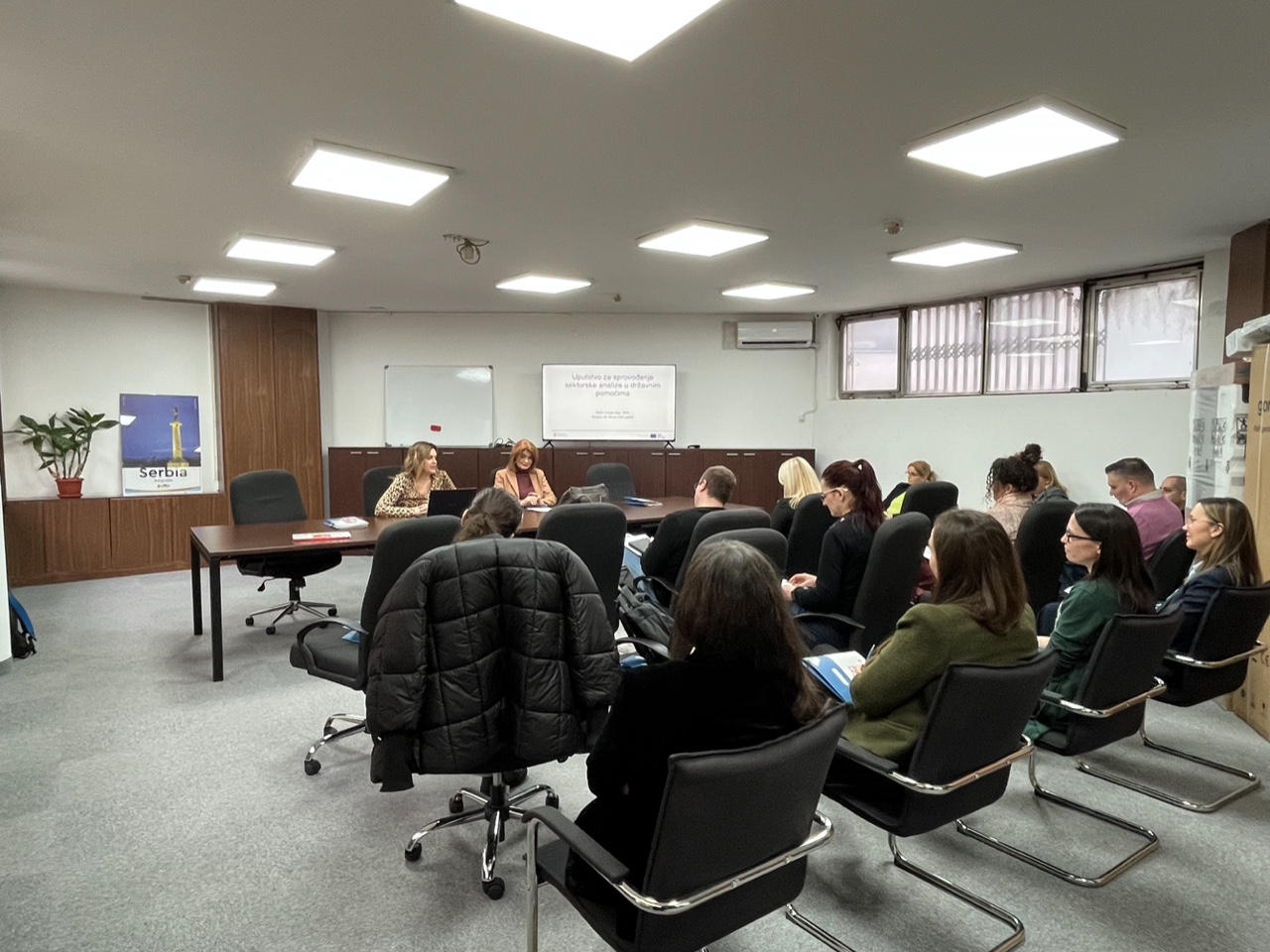
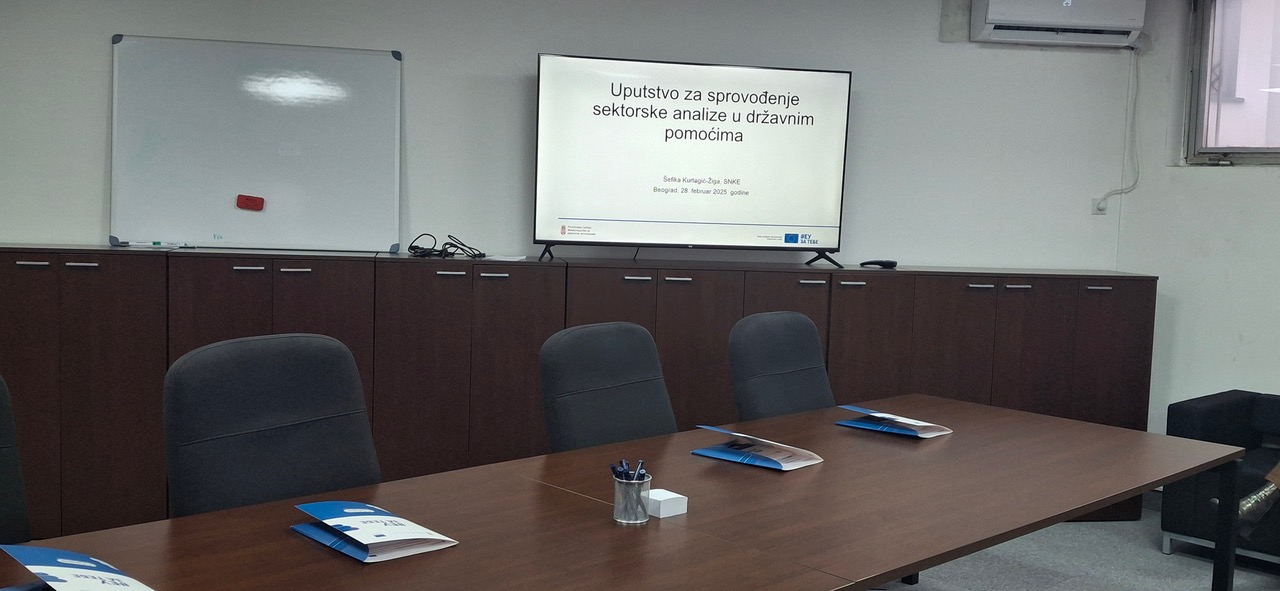
Within the framework of the PLAC IV project, a workshop was held involving representatives of the Commission for State Aid Control. This event provided an opportunity to present the Guidelines for Conducting Sectoral Analysis in the Field of State Aid, aimed at supporting the Commission in its efforts to fulfill the benchmarks necessary for opening Chapter 8, which covers competition policy.
To precisely regulate the issue of sectoral analyses, it would be beneficial to prepare amendments to the legal framework. As explained during the workshop, should these amendments occur, these guidelines will serve state aid providers—legally defined as the competent authorities of the Republic of Serbia, autonomous province, local government units, or any legal entity managing and/or allocating public funds and awarding state aid in any form.
Competition policy enables market participants to offer goods and services under optimal conditions. It promotes efficiency, innovation, increases consumer choice, and reduces prices. At the EU level, competition policy encompasses several distinct areas: combating the abuse of a dominant position and restrictive agreements, concentration, state aid, and market liberalization, with the acquis communautaire grounded in Articles 101–109 of the Treaty on the Functioning of the European Union.
The chapter on competition is one of the most complex in the negotiation process and is often the last to be closed. Preconditions for its opening focus on fulfilling a series of defined criteria.
Until then, the Commission for State Aid Control acts as a regulatory body in this area, representing a transitional step toward EU accession. Upon accession to the EU, the Commission should be dissolved, with all responsibilities for state aid control transferred to the European Commission.
Photo gallery