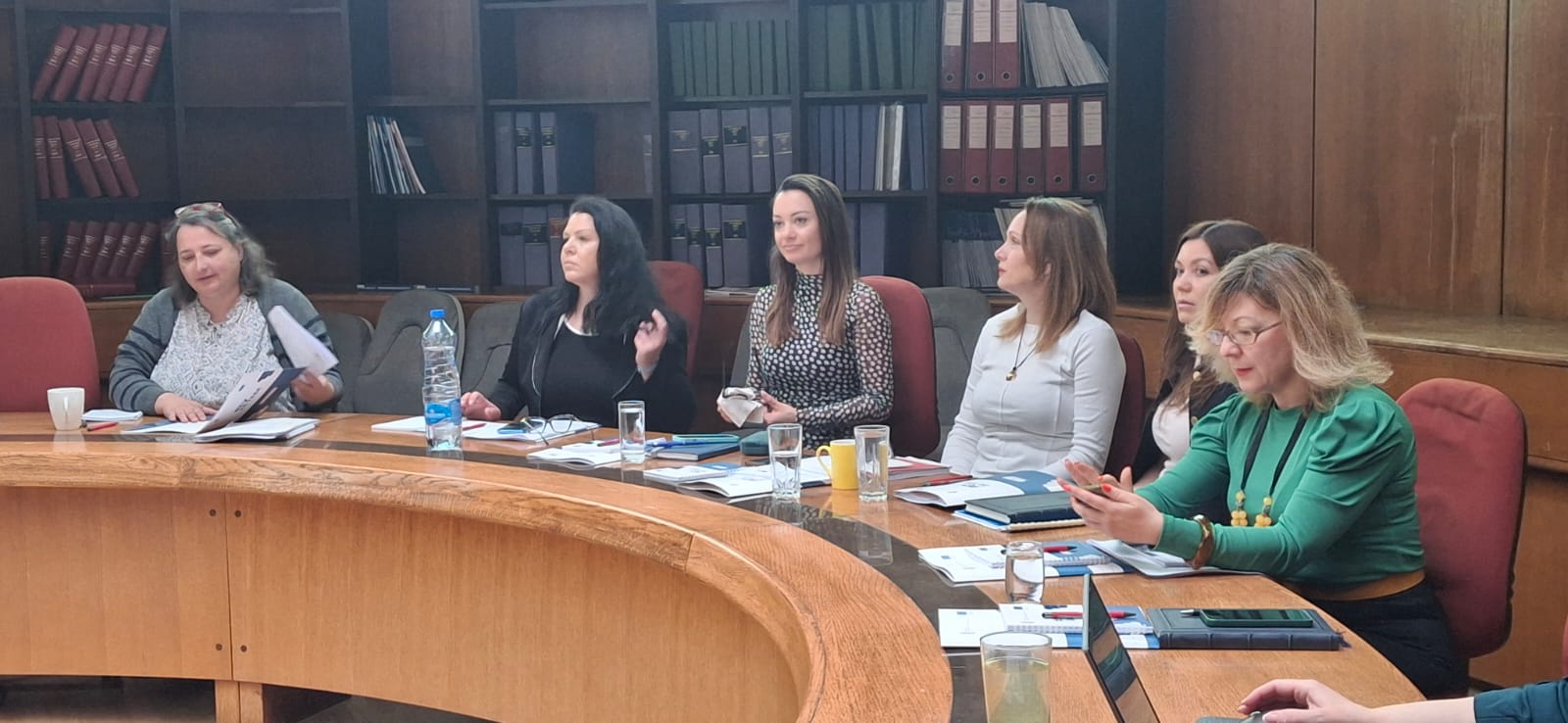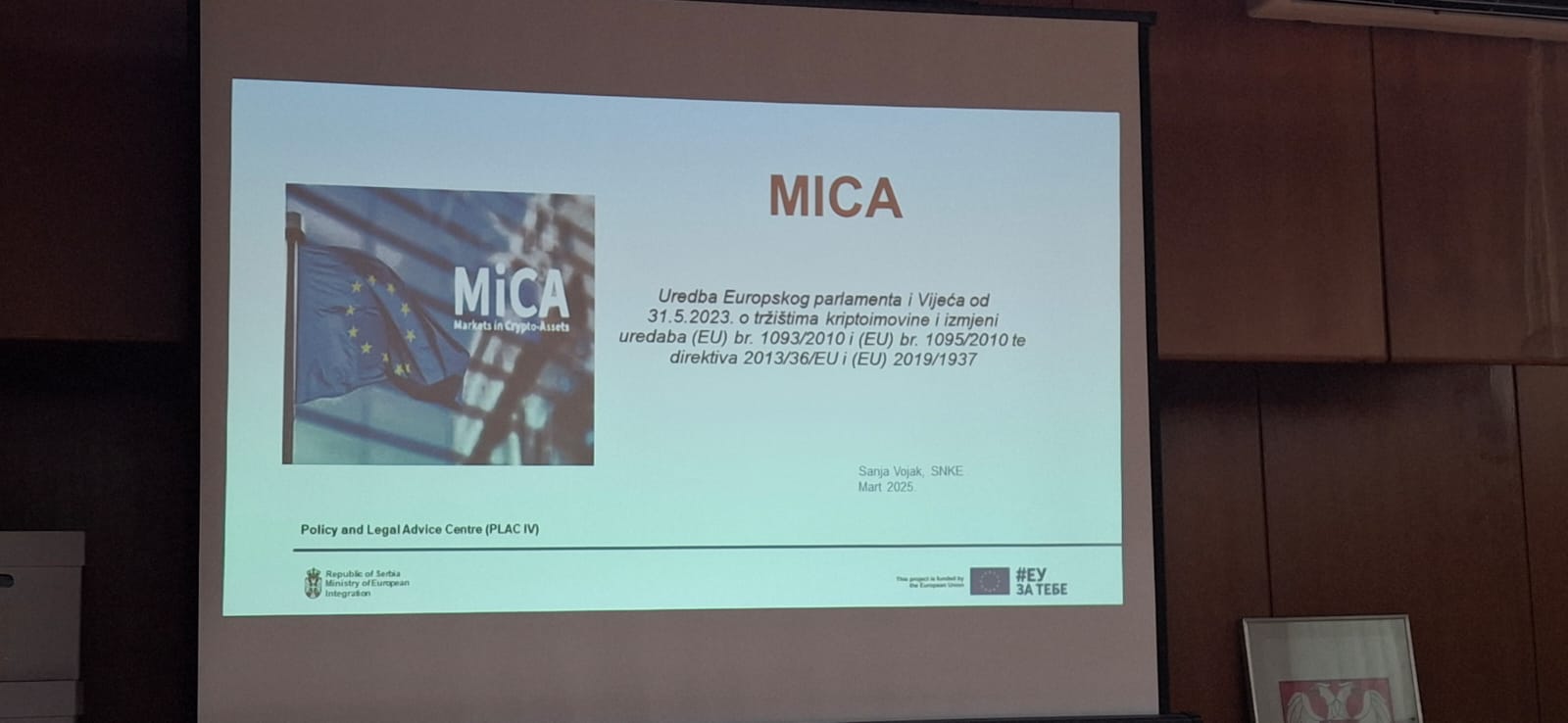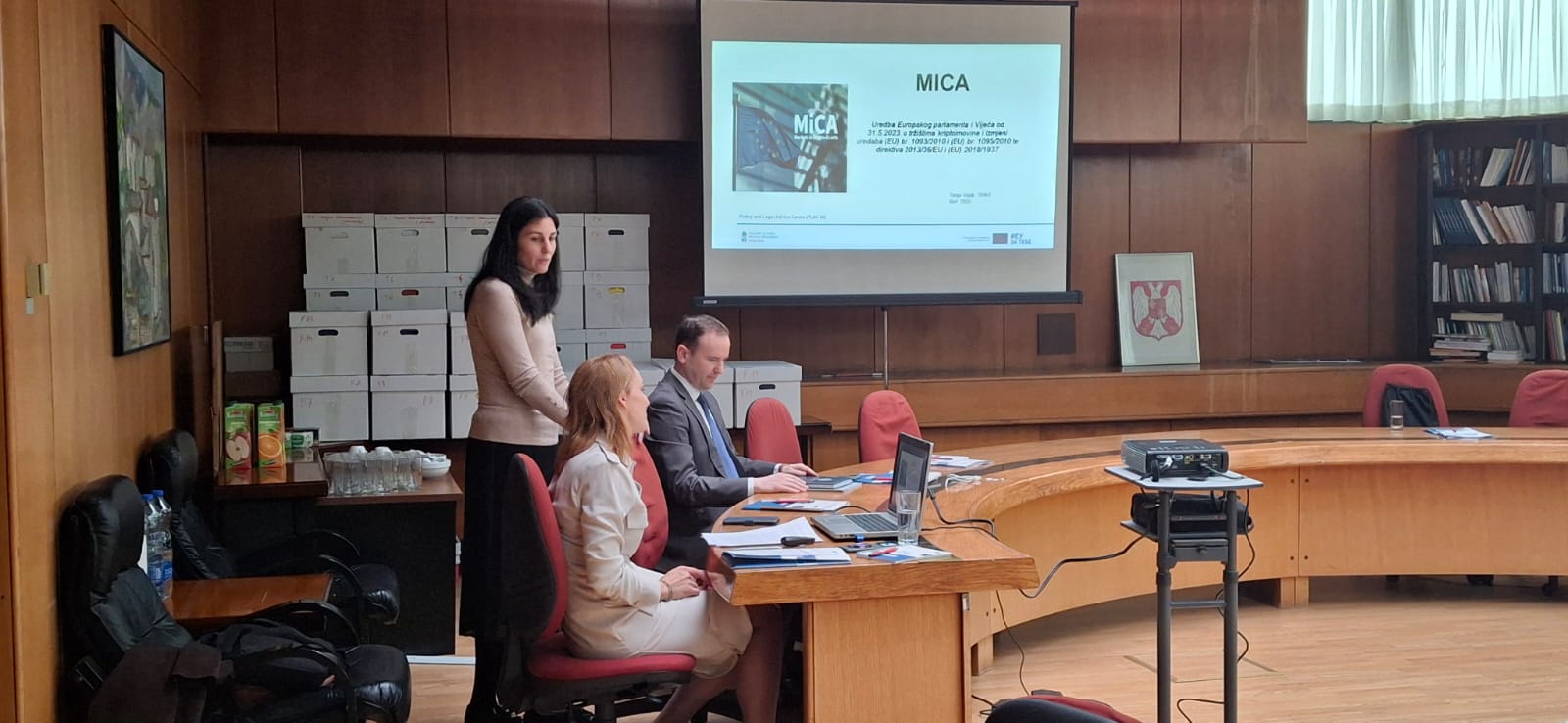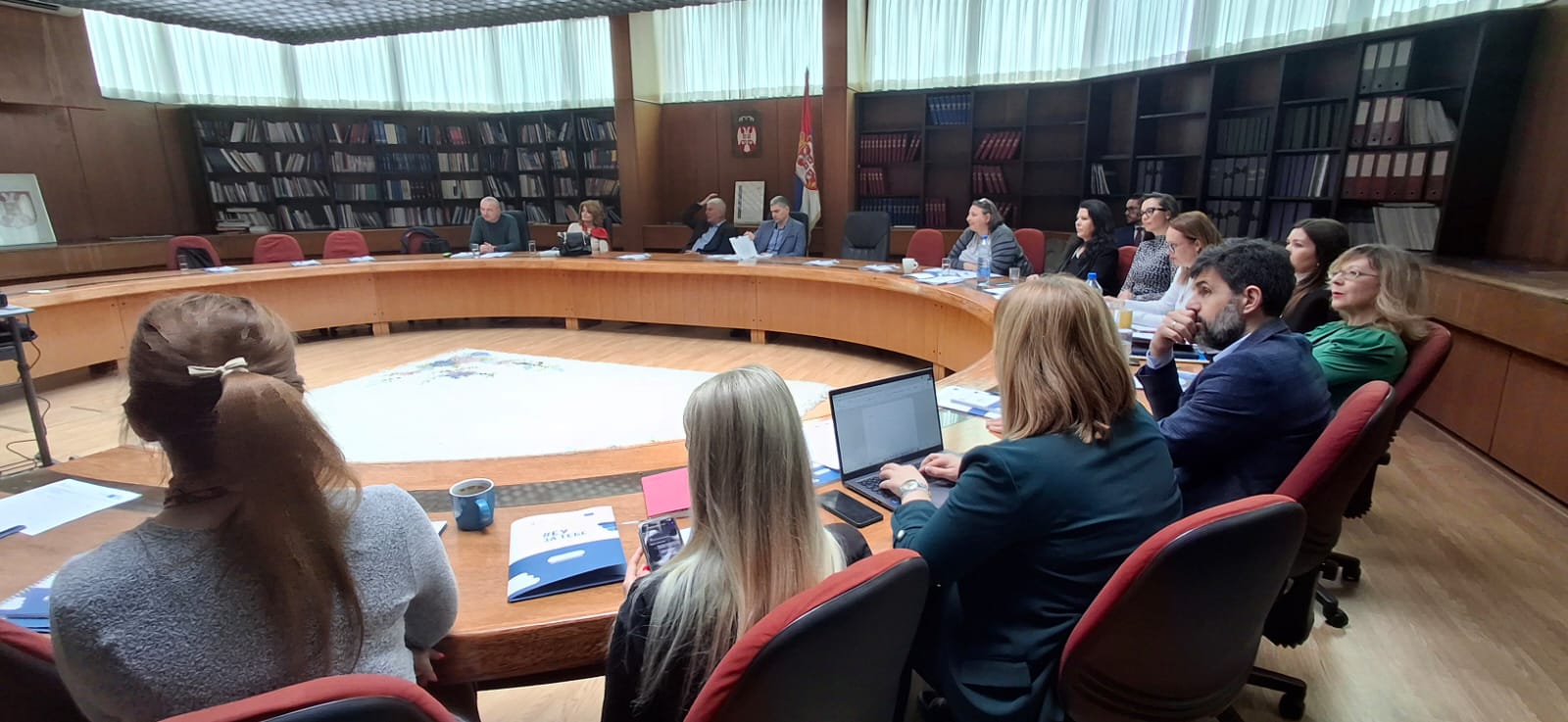
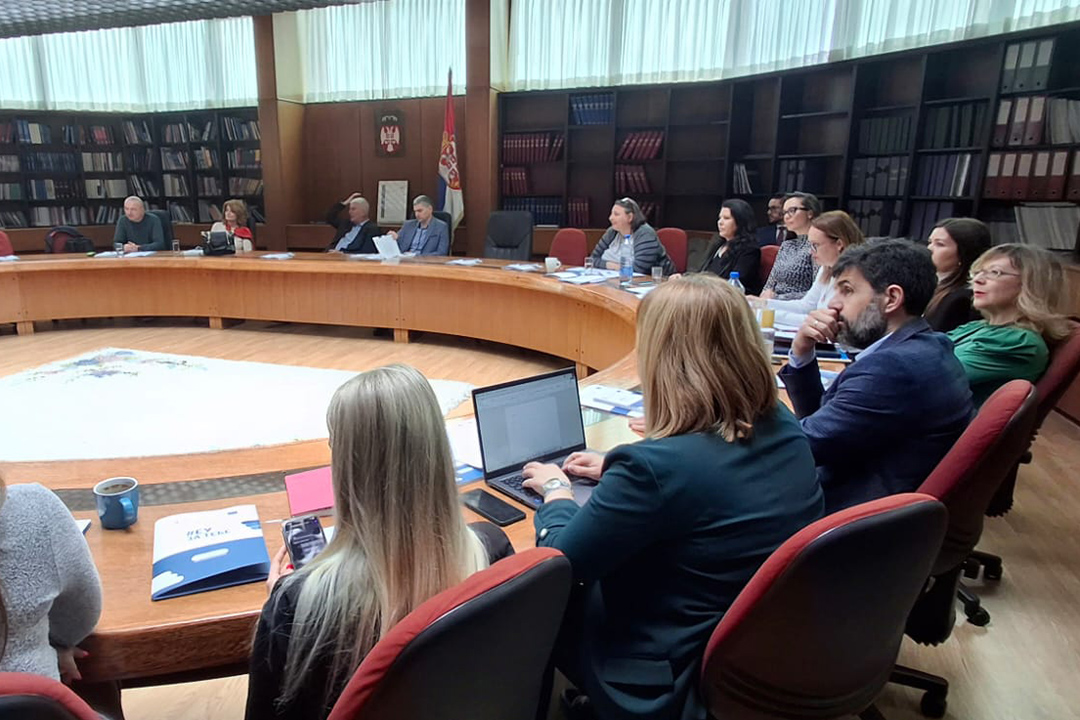
The crypto-assets market is becoming increasingly attractive in Serbia, and consequently, a workshop organized by the PLAC IV project attracted significant attention from participants—employees of the Securities Commission.
Harmonizing Serbian legislation with the Markets in Crypto-assets Regulation (MiCA) aims to ensure legal certainty for crypto-assets market participants, enhance investor protection, and contribute to combating financial crime—key benefits for citizens and businesses, explained project expert Sanja Vojak.
But what exactly is MiCA? It represents the most significant advancement in crypto-asset regulation to date, acknowledging today’s technological reality—that security should not compromise innovation. MiCA thus provides clear, enforceable, and legally binding guidelines for managing crypto-assets across the world’s largest single market.
The workshop also discussed necessary steps when providing advisory services or crypto-asset portfolio management. According to the expert, who has extensive experience in Croatia, an assessment must first determine whether these services or the types of crypto-assets offered are suitable for clients—considering their experience, knowledge, objectives, and ability to absorb potential losses.
“If clients fail to provide crypto-asset service providers with information about their experience, knowledge, objectives, and loss-bearing capacity, or if it is clear that the crypto-assets are not suitable for clients, then Crypto Assets Service Providers (CASPs) should neither recommend such services or crypto-assets nor begin providing portfolio management services,” stated Sanja Vojak.
During the presentation of the gap analysis—aimed at identifying differences between national legislation and the MiCA regulation—participants raised numerous questions regarding EU regulations, particularly those applicable in neighbouring Croatia. The general conclusion was that Serbia is not significantly lagging in this area.
Aligning the Law on Digital Assets with the MiCA regulation requires significant amendments to ensure greater legal certainty, consumer protection, and the integrity of Serbia’s crypto-assets market. This alignment would allow Serbia to approach European standards and foster a more favourable environment for developing innovative financial services, thereby increasing investor and user trust. This was the concluding message of the workshop.
In addition to representatives from the host organization, the workshop at the Securities Commission was attended by key project experts—PLAC IV Team Leader Samo Godec and Prof. Dr. Dijana Marković Bajalović, the project’s Key Legal Expert.
Photo gallery